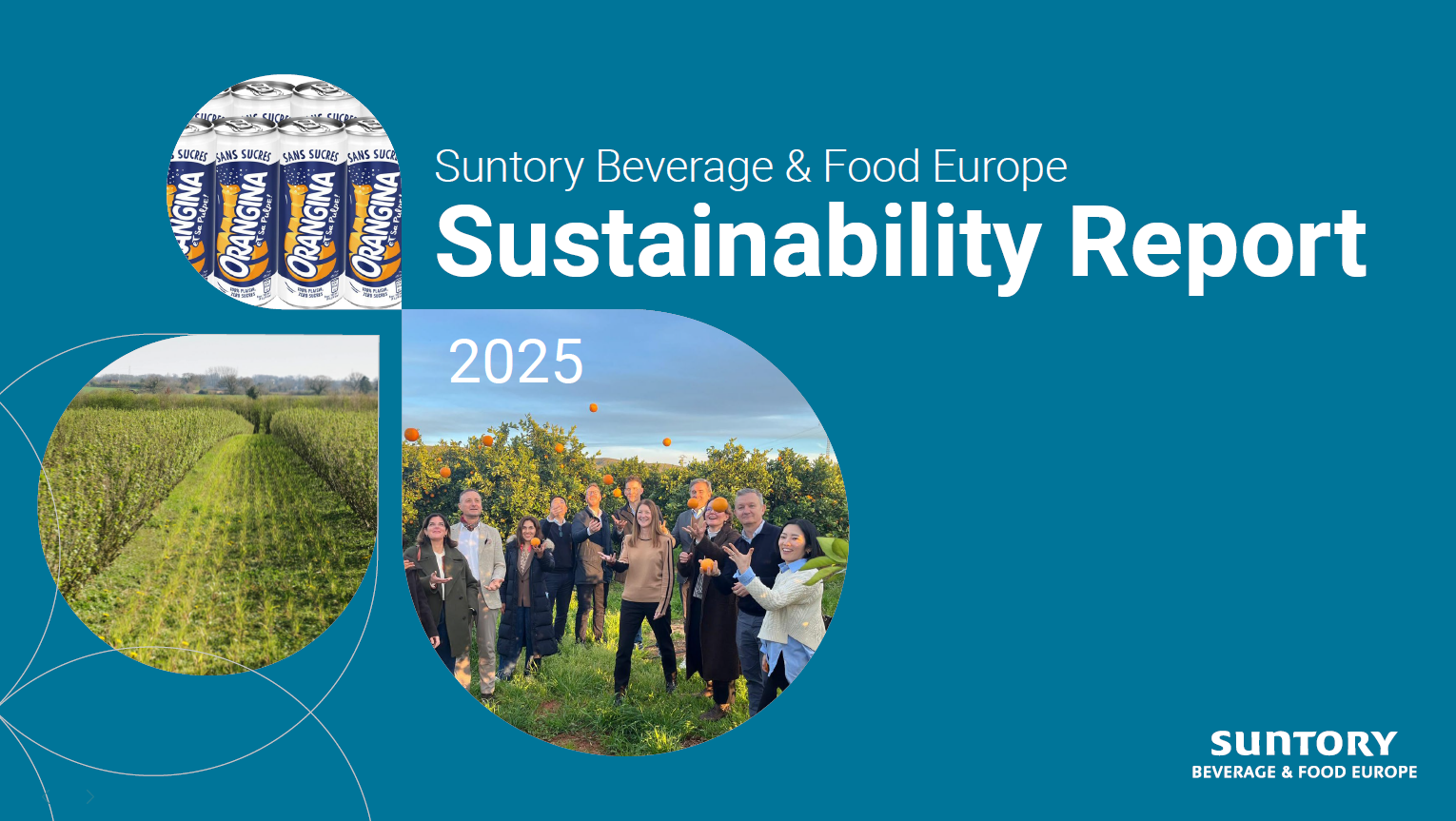
We've published our fifth annual report under the EU Agri-Food Code of Conduct report, a voluntary EU framework that brings together food and beverage companies committed to supporting healthier diets and more sustainable food systems. The report highlights the progress we're making against our commitments across health, climate action, packaging circularity and water stewardship.
Supporting healthier and more balanced diets
Reducing sugar remains a key focus of our strategy. Since 2015, we've reduced added sugar across our portfolio by 33% through reformulation, innovation and investment in lower-sugar beverages. Today, 63% of our drinks sales are below 5g of sugar per 100ml, and the volume of drinks sold below this threshold is now 3.5 times higher than in 2015. These efforts contribute to the EU Code of Conduct's ambition to support healthier and more balanced diets for European consumers.
This progress reflects years of work across our markets. Looking ahead, we've set new ambitions for 2030, including reducing total sugars by 40% compared to 2015 and ensuring that two-thirds of our sales volume contains less than 5g of sugar per 100ml.
Advancing circular packaging
We're continuing to increase the use of recycled PET plastic (rPET) in our packaging. In 2025, recycled PET plastic accounted for 53% of our bottle portfolio, exceeding our target of achieving at least 50% recycled PET plastic in bottles by 2025.
This achievement has been supported by the expansion of recycled PET across our markets. During the year, Schweppes bottles in Poland transitioned from 30% to 100% rPET*, while several of our markets maintained 100% rPET across key product ranges.
We're also making progress on packaging recyclability, which reached 92.8% in 2025, up significantly from the previous year. At the same time, we're supporting the development of recycling infrastructure and technologies needed to increase the availability of recycled materials across Europe, in particular supporting and investing in the roll out of deposit return systems in the markets where we operate.
*excluding cap and label
Taking action on climate
Reducing greenhouse gas emissions remains a key priority. Compared with our 2019 baseline, we've reduced Scope 1 and 2 greenhouse gas emissions by 22.1% and Scope 3 emissions by 20.1%, resulting in a 20.2% reduction in our overall carbon footprint.
During the year, we adopted our first Climate Transition Plan, setting out a roadmap to decarbonise our business. We also introduced quarterly carbon footprint reporting to strengthen governance, transparency and data-driven decision-making across our operations.
To further embed climate considerations into our business, we partnered with Pilario to integrate lifecycle assessments into product development and packaging design, and calculated our Forest, Land and Agriculture (FLAG) emissions for the first time, providing the foundation for a dedicated FLAG roadmap.
Water stewardship
As a business dependent on water, water stewardship remains central to our approach. In 2025, we achieved a 12.8% reduction in water intensity and remain on track towards our 2030 target. Most of these reductions were driven by improvements at our factories in France and Iberia, supported by ongoing water-efficiency initiatives.
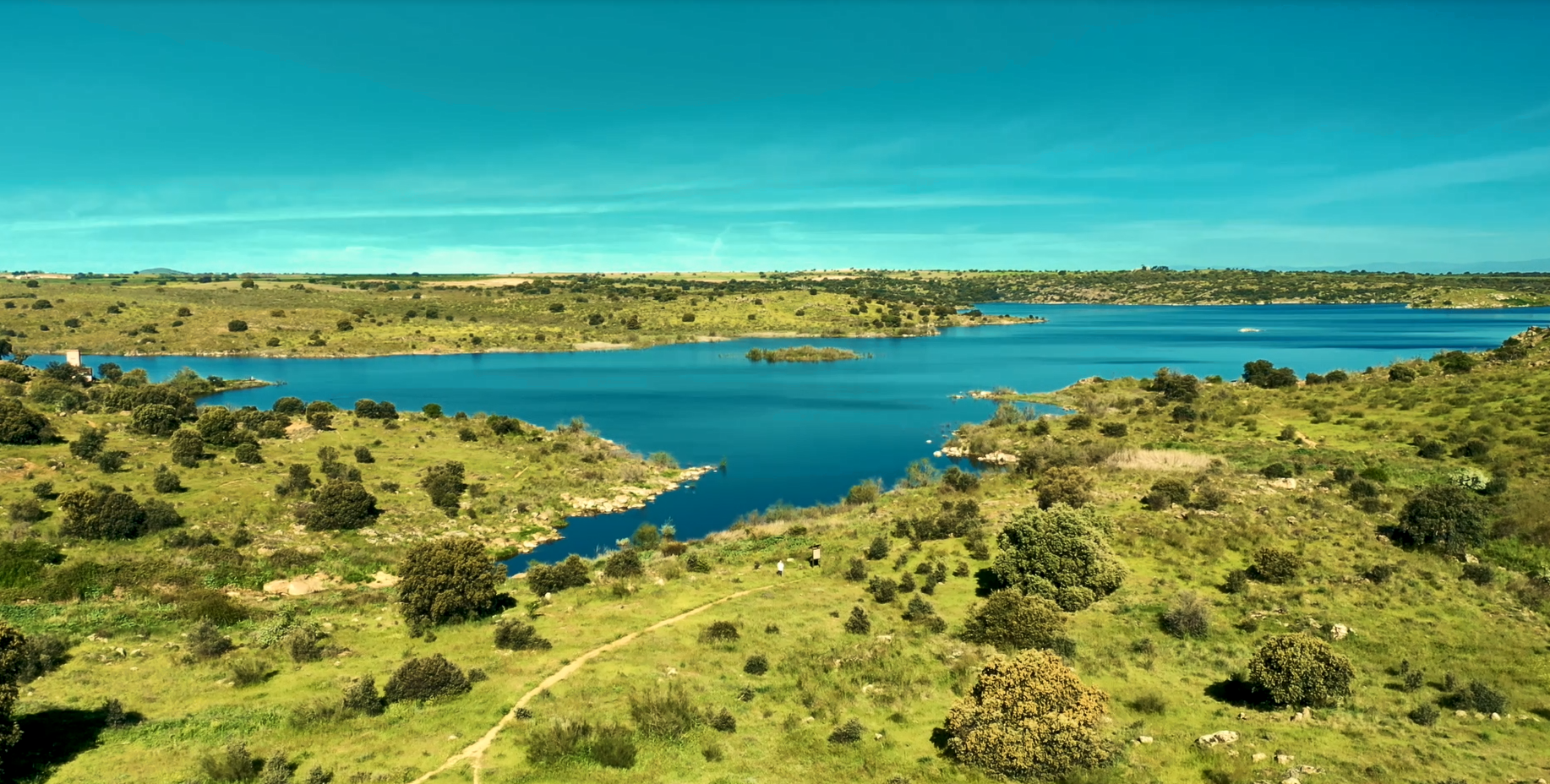
Alongside reducing water use in our operations, we continue to invest in programmes focused on water education and watershed restoration, including our Mizuiku water education programme and partnerships supporting long-term water resilience in the communities where we operate.
Looking ahead
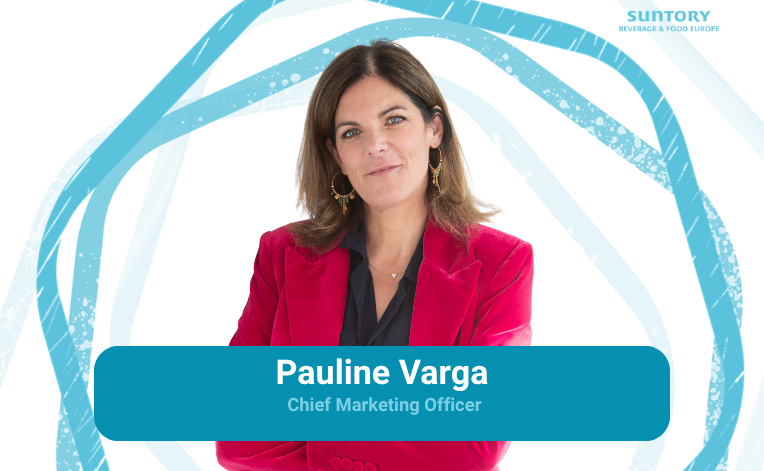
Michelle Norman, Director of External Affairs and Sustainability at Suntory Beverage & Food Europe, said:
2025 has seen Suntory Beverage & Food Europe achieve a number of significant milestones including 53% recycled PET plastic content used across our portfolio of European beverages and achieving an incredible 33% added sugar reduction across some of Europe’s best-selling soft drinks including Oasis, Schweppes and Lucozade. The EU Agri-Food Code of Conduct gives us the opportunity to showcase what good progress looks like, and how businesses are growing in the right way.
Read and download our latest EU Agri-Food Code of Conduct progress report.